
If you're a woman who has been through menopause, you may have heard your GP or a friend mention bone density, or perhaps you've had a DEXA scan and been given a diagnosis of osteopenia or osteoporosis. It's a lot to take in — but the good news is that exercise is one of the most powerful tools we have for protecting bone health, and it's never too late to start.
Having recently completed my Level 3 GP Exercise Referral qualification, I wanted to share some of what I've learned about how movement can genuinely make a difference for women navigating this stage of life.
Why Menopause Changes Your Bones
Oestrogen plays a key role in maintaining bone density. During and after menopause, oestrogen levels drop significantly, and this can accelerate bone loss — sometimes quite quickly in the first few years after your final period. Over time, this can lead to osteopenia (reduced bone density) or osteoporosis (a more significant loss of bone density and strength), which increases the risk of fractures, particularly in the hip, spine and wrist.
This is a normal part of ageing for many women, but it's not something you simply have to accept without a plan. Exercise, alongside good nutrition and medical guidance, is one of the most effective ways to support your bones.
How Exercise Helps
Bone is living tissue, and like muscle, it responds to the demands placed on it. When bones are loaded — through impact, resistance or muscle pull — the body responds by maintaining or building bone density. There are two main types of exercise that matter most here.
1. Weight-Bearing Exercise
This is any activity where your body works against gravity while upright. Walking, dancing, stair climbing and low-impact aerobics all count. For those who are able and it's appropriate for them, higher-impact activities like jogging, skipping or star jumps provide an even stronger stimulus for bone growth, because the impact forces travel through the skeleton.
2. Resistance and Strength Training
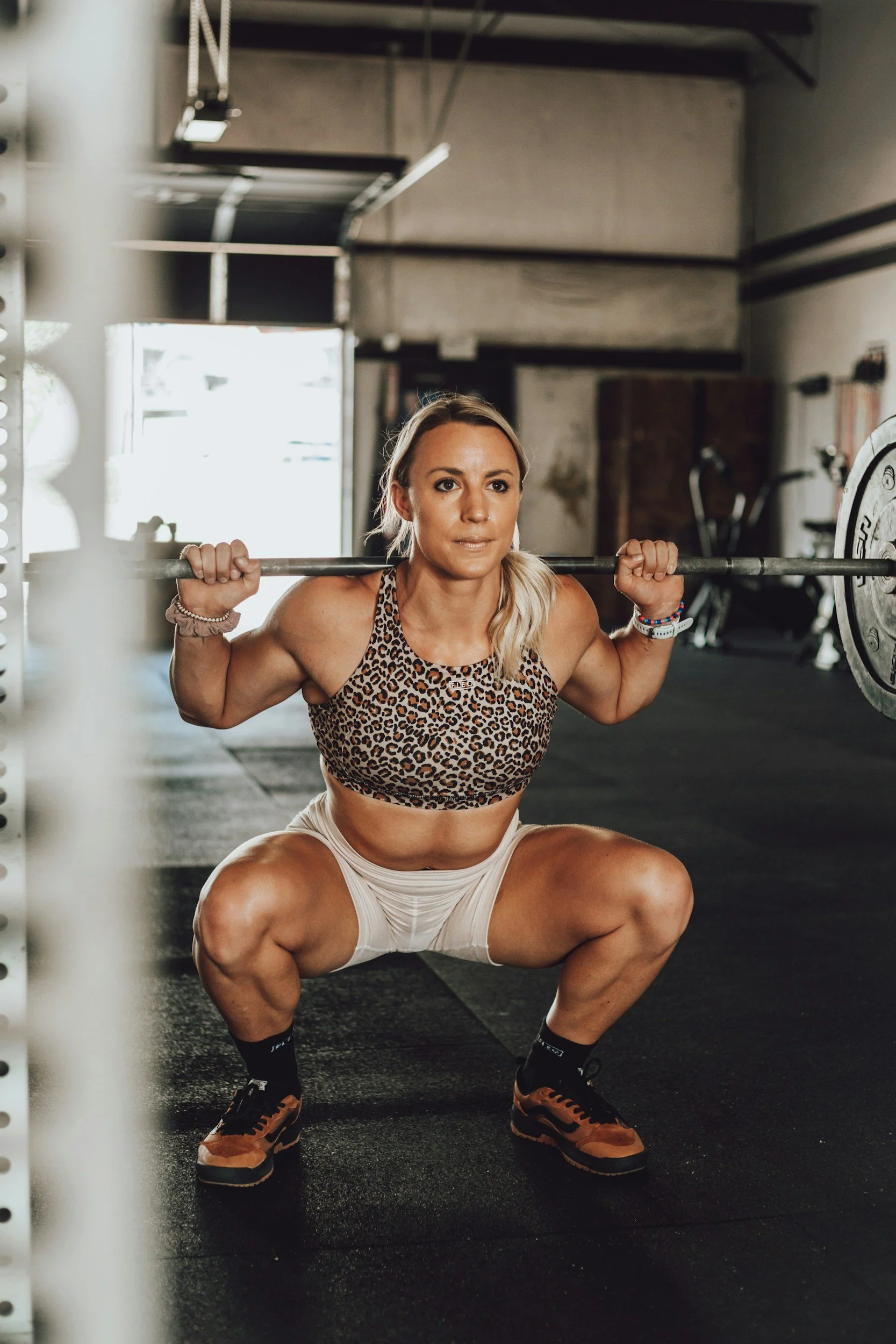
Lifting weights, using resistance bands, or bodyweight exercises like squats and press-ups pull on bone through the muscles and tendons attached to them. This mechanical stress is one of the key triggers for bone-building cells to get to work. Strength training also helps with balance and muscle mass, both of which reduce the risk of falls — and a fall is often what leads to a fracture in someone with reduced bone density.
3. Balance and Stability Work
This is often overlooked, but it's just as important. Exercises like standing on one leg, heel-to-toe walking, or gentle yoga and tai chi improve coordination and reaction time, helping to prevent the falls that put fragile bones at risk in the first place.
What to Be Mindful Of
If you have been diagnosed with osteoporosis, not every exercise is appropriate, and this is where working with someone trained in GP exercise referral can really help. Some movements — particularly those involving spinal flexion (rounding forward) or twisting under load — may need to be modified or avoided, as they can increase the risk of a vertebral fracture in someone with significantly reduced bone density.
A good exercise programme should be:
Progressive — gradually increasing load and impact as strength and confidence build
Individualised — tailored to your bone density results, medical history and current fitness level
Balanced — combining weight-bearing, resistance and balance work
Consistent — bone adapts over months, not days, so regularity matters more than intensity
You Don't Have to Figure This Out Alone
Starting or adapting an exercise routine after an osteoporosis diagnosis can feel daunting, especially if you're unsure what's safe. That's exactly the kind of situation the GP Exercise Referral pathway is designed for — providing exercise support that's been specifically tailored around a medical condition, so you can move with confidence rather than fear.
If you'd like support building a programme that works for your bones, your goals and your lifestyle, I'd love to help. Get in touch for a chat about how we can get you moving safely and strongly.